

Stainless Steel Mesh: 2026 Buyer’s Guide for UK Homes
You usually start looking at stainless steel mesh after something else has already failed. A fibreglass screen has torn. An aluminium panel has started to mark up around a busy doorway. A kitchen manager is trying to keep airflow moving without giving flies an open invitation. Or a homeowner wants windows open in summer without turning the house into an insect trap.
That is where stainless steel mesh earns its place. It is not the cheapest option on day one, and it is not the right answer for every low-demand opening. But when the job involves repeated use, cleaning, hygiene, salt in the air, or a screen that needs to keep doing its job year after year, stainless steel mesh is usually the material people wish they had chosen first.
The practical question is not whether stainless steel mesh is “good”. It is. The key question is which grade, which weave, and which mesh size make sense for your site in the UK.
Why Choose Stainless Steel for Your Fly Screens
When ordinary screen materials stop being enough
Most screen problems are not complicated. The mesh is too flimsy, the frame is fine but the infill is not, or the material chosen was never suitable for the environment in the first place.
For a spare bedroom window that is barely used, lighter materials can be acceptable. For a back door, a food prep area, a service hatch, or a commercial entrance, they often are not. Screens in those settings get knocked, cleaned, pushed, exposed to steam, and left open to changing weather. That is where stainless steel mesh stands apart.
It gives you three things people usually care about most:
- Durability: It resists damage better than softer, lighter alternatives.
- Corrosion resistance: It is built for damp, demanding conditions.
- Cleanability: It suits hygienic environments far better than porous or fragile mesh types.
A UK material with a practical legacy
Stainless steel is not a vague modern upgrade. It has a very specific origin. The story began in Sheffield in 1913, when Harry Brearley produced a “rustless” alloy using 12.8% chromium while working on gun barrel erosion. That Sheffield breakthrough laid the foundation for the corrosion-resistant, hygienic steel later used in food-safe and long-life applications, including mesh products used in screening today, as described by AZoM’s account of Brearley’s stainless steel development.
That matters because the core reason stainless steel became important then is the same reason it matters now. It does not cope with moisture and contamination the way ordinary steel does. It copes better.
Two terms that matter from the start
Buyers often get buried in technical language too early. Keep it simple.
Grade is the alloy choice. In practice, most buyers are choosing between 304 and 316.
Weave is the construction pattern. Consider fabric as an analogy. A straightforward weave gives a clean, regular opening. A heavier or more specialised weave changes strength, rigidity, or the size of the opening.
If you want a screen that can live on a busy door, in a kitchen, or near damp coastal air, start by asking about grade and weave before you ask about price.
What stainless steel mesh is good at
It is a strong fit when you need:
- High-traffic performance: Doors and openings that are used constantly
- A cleaner surface: Especially in commercial and food-related settings
- Stable airflow with proper insect control: Without relying on delicate mesh
- A longer service life: Particularly where corrosion is the usual point of failure
The trade-off is straightforward. Stainless steel mesh costs more upfront than lower-spec materials. In return, you avoid a lot of the short-life, repeat-replacement cycle that frustrates both homeowners and facilities teams.
Understanding Mesh Grades and Weave Types
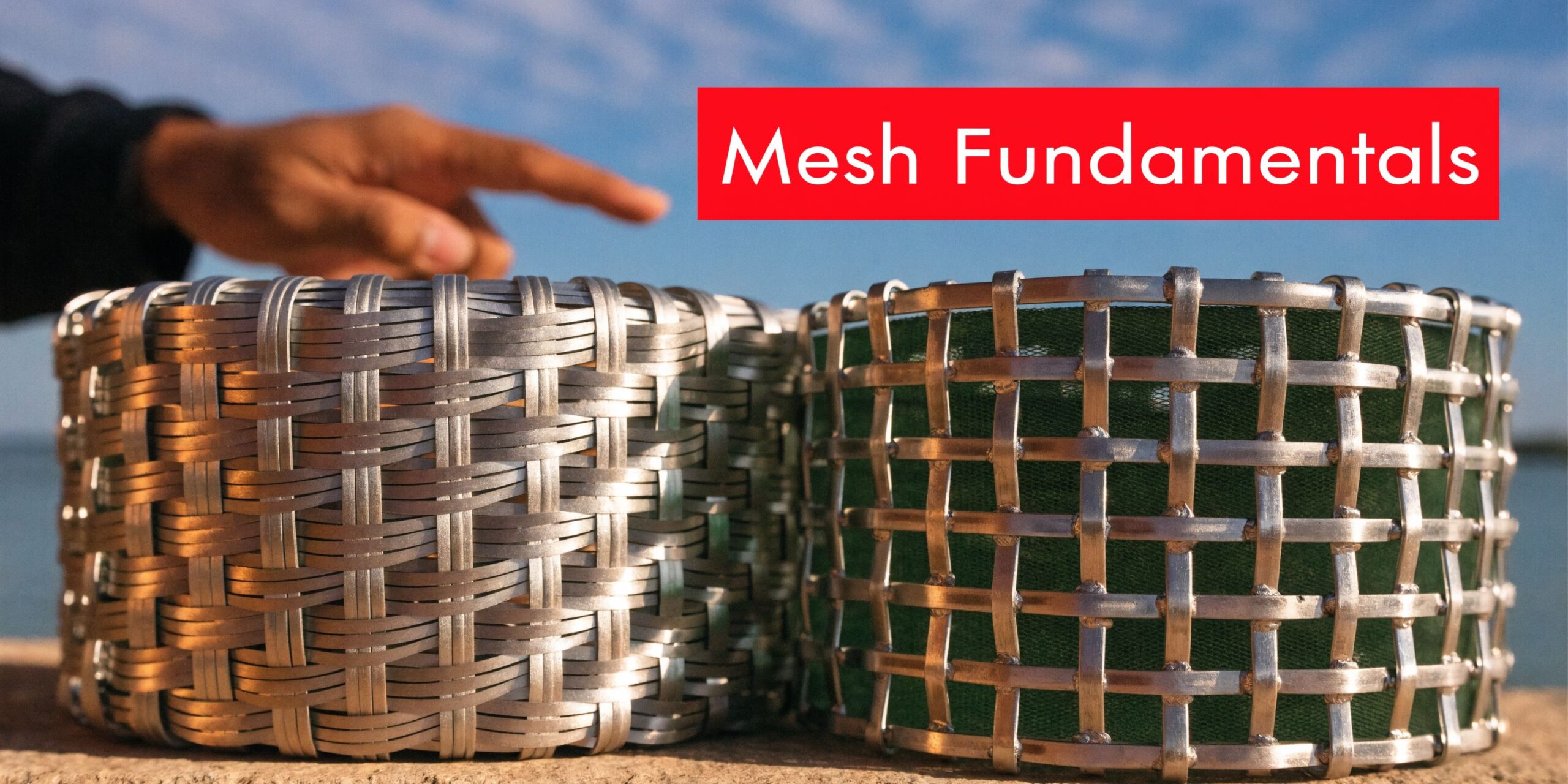
Grade and weave do different jobs. Grade governs how well the mesh resists corrosion and repeated cleaning. Weave governs how the screen feels, how it sits in the frame, and how consistently it performs over time.
Buyers often focus on grade because 304 and 316 are familiar labels. In day-to-day fabrication, weave causes just as many specification mistakes. A screen can be made from the right stainless steel and still be awkward in use if the wire diameter, opening pattern, or overall stiffness do not suit the opening.
Start with grade, then check how the mesh is built
For standard inland use, 304 stainless steel is still the practical starting point. It suits many UK homes, standard kitchen windows, and back doors where the screen will be cleaned often but not exposed to constant salt or harsher chemical attack.
That does not make 304 the right answer for every site. It makes it the baseline.
316 stainless steel is used where corrosion risk is higher and surface breakdown would create a maintenance or hygiene problem. Coastal properties, food prep areas with stronger sanitisers, and exposed commercial sites are typical examples. The reason is simple. 316 handles chlorides better, so the mesh is less likely to develop the pitting that makes cleaning harder and shortens service life.
For facilities managers working to FSA hygiene standards, that distinction matters. A screen that keeps a smooth, cleanable surface is easier to keep compliant than one that starts to mark, pit, or trap residue.
Weave changes performance in ways buyers notice later
Plain weave is the standard choice for fly screens because it gives a uniform opening and a clean, tidy finish. It also tensions well in framed screen systems, which helps the panel stay neat instead of looking baggy or uneven after use.
Other weave patterns exist for more specialised jobs, but they are not automatically better for insect screening. Heavier constructions can add rigidity, though they can also increase weight, reduce free area, or make a screen less suitable for a domestic frame.
Wire diameter matters as much as weave pattern. Thicker wire gives a tougher feel and can cope better with regular handling. The trade-off is reduced open area, which affects airflow and visibility. Finer wire opens the screen up visually, but it is less forgiving if the panel is likely to take knocks on a busy door.
The right specification depends on the opening, not just the material
A lightly used bathroom window, a suburban kitchen casement, and a coastal restaurant servery do not need the same mesh.
In practice, the decision usually comes down to three checks:
- Exposure: inland moisture, coastal salt, chemical cleaning, or washdown conditions
- Use: occasional opening, daily domestic use, or heavy commercial traffic
- Screening objective: standard insect control, finer filtration, or a hygiene-sensitive area
That last point gets missed. If the customer also wants to reduce seasonal irritants, a finer option such as pollen mesh for allergy-prone homes may be a better fit than standard stainless insect mesh alone. It solves a different problem, and it usually comes with a different airflow trade-off.
What we specify in real jobs
For many inland UK installations, 304 in a plain woven fly screen mesh is the sensible balance of cost, durability, and appearance. It works well where the screen needs to stay neat, clean easily, and hold up to normal domestic or commercial use.
Where the opening faces coastal exposure, stronger cleaning chemistry, or repeated heavy handling, the safer choice is often to upgrade the alloy, review the wire diameter, and make sure the frame can support the finished panel properly. Over-specifying one part and under-specifying another causes trouble. We see that regularly with screens that use a premium grade stainless mesh in a construction that is too fine or too light for the way the opening is used.
The best buying position is straightforward. Choose grade for the environment. Choose weave and wire size for the way the screen will be used.
Select the Right Steel for Your UK Environment
A screen on a sheltered inland kitchen window has an easier life than one fitted to a café door in Brighton or a washdown area in a food unit. Treat those jobs as if they need the same steel, and one of them usually pays for it later in staining, pitting, or unnecessary cost.
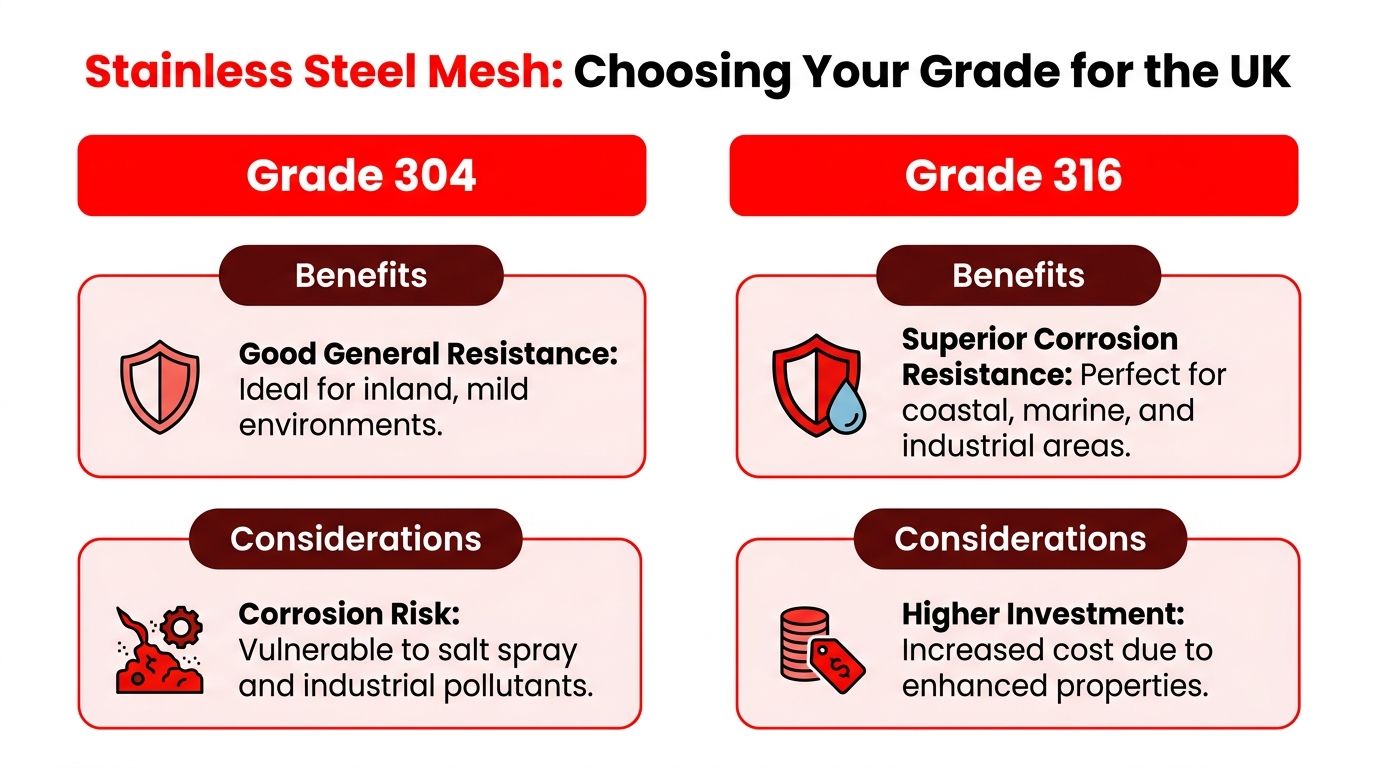
Choose by exposure, not by habit
Repeat buying is common in facilities management. The problem is that an old specification often gets copied onto a site with different salt exposure, cleaning chemistry, or hygiene requirements.
For UK fly screens, the starting point is simple.
Choose Grade 304 for inland homes, standard commercial kitchens, and general-use doors or windows where moisture is normal and chloride exposure is limited.
Choose Grade 316 for coastal sites, marine-adjacent buildings, and areas cleaned with harsher products where surface pitting would create hygiene or maintenance issues.
The reason is practical, not theoretical. Grade 316 stands up better where salt or chloride-heavy cleaning is part of normal service conditions. In a domestic inland setting, that extra resistance often adds cost without adding much value. Near the coast, or in a food environment with tougher cleaning regimes, it is often the grade that avoids premature replacement.
That matters for compliance as well. In food premises, a pitted or stained mesh is harder to keep in a condition that satisfies routine hygiene expectations, and that is exactly the kind of detail an FSA-focused site manager should not ignore.
Three common UK scenarios
Inland suburban home
For a typical inland property, 304 is usually the sensible choice. It resists everyday moisture, looks tidy, and holds up well in normal domestic use.
That covers a large share of UK homes.
If the brief also includes seasonal allergen control, standard insect mesh may not be enough. A pollen mesh option for allergy-prone homes addresses a different problem and brings a different airflow trade-off.
Food preparation and washdown areas
Commercial sites need a closer look. Postcode matters less than cleaning routine, moisture load, and how often staff handle the screen.
A light-use prep area with standard cleaning may be fine with 304. A busy kitchen with repeated washdown, stronger sanitisers, and strict hygiene expectations is often better served by 316. At Premier Screens Ltd, that is usually the point where we tell customers to stop focusing only on upfront cost and look at service life, cleaning condition, and replacement risk.
Coastal hospitality and marine-adjacent sites
Salt air causes trouble early in the life of a screen, even when the damage is not dramatic at first. You often see tea staining, small pits, or surface breakdown around exposed openings and door sets.
Grade 316 is usually the safer call for seafront properties, estuary locations, and buildings that get regular onshore air. It costs more, but it is cheaper than replacing a corroded screen that looked acceptable on paper and failed in service.
Match the steel to the job, not just the grade
Grade selection is only one part of the decision. A screen can still be wrong for the opening if the mesh is too coarse for the pest issue, too fine for the airflow the room needs, or too light for repeated handling.
That shows up in real jobs all the time. A coastal kitchen may need 316 because of salt and cleaning exposure, but if the opening also needs good ventilation for staff comfort, going too fine on the mesh can create a room that feels closed in. A suburban home may only need 304, but if the customer wants finer filtration, the tighter mesh will still reduce openness.
The better approach is to specify in layers. Start with the environment. Then check cleaning regime, hygiene demands, and whether the opening is residential, commercial, or heavy traffic.
What causes problems
Two specification mistakes come up repeatedly:
- Using 304 in persistent coastal exposure to save money
- Choosing a mesh opening that does not match the pest or filtration requirement
The first usually leads to earlier corrosion issues. The second leads to disappointment in use, either because insects still get through or because the screen feels too restrictive for the space.
Decoding Mesh Size Airflow and Insect Protection
Mesh specifications confuse buyers because the numbers are technical, but the choice is practical. You want to know three things. Will it block the insects you care about, will it still let enough air through, and will it make the opening feel dark or closed in?
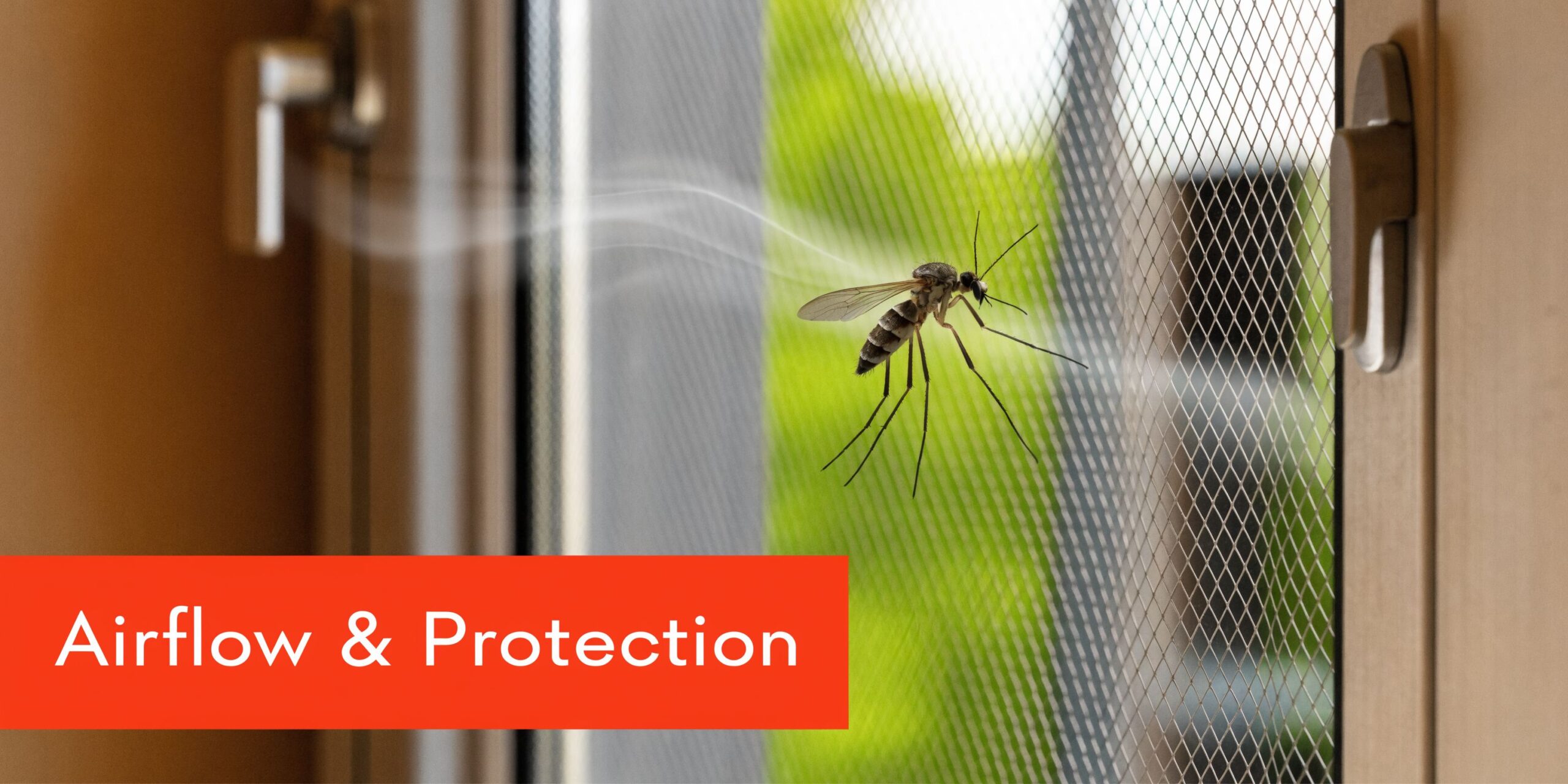
What mesh count and aperture mean
Mesh count tells you how many openings sit across a given span. Higher mesh counts usually mean smaller openings.
Aperture is the actual gap. That gap is what determines what gets through. Bigger aperture means better openness and easier airflow. Smaller aperture means finer exclusion.
The trade-off is fixed. You cannot make the opening tighter without reducing how open the screen feels.
Airflow versus protection
Here, stainless steel mesh needs honest explanation. Buyers are often told finer mesh is “better”. Better for what?
If your main problem is flies and wasps, a standard insect mesh gives a more open feel and better ventilation. If your main problem is smaller insects, you need a finer aperture and you accept the airflow penalty that comes with it.
For parts of the UK where tiny biting insects are a serious issue, a finer option such as midge mesh insect rolls is often the more appropriate route than standard insect mesh. It is a different specification because it is solving a different problem.
If maximum airflow is the priority, avoid over-specifying the mesh. If tiny insects are the priority, accept that a finer screen will feel more restrictive.
Where pollen screening gets misunderstood
Allergy buyers are often given vague claims instead of clear limitations. One useful reference point is pollen size. Grass pollen in the UK is typically 20 to 40 microns, and that makes it important to ask whether a given “pollen mesh” aperture is fine enough for the job, as noted in this discussion of wire cloth mesh and pollen aperture questions.
That does not mean every fine mesh works the same way, and it does not mean every pollen-labelled product performs equally. It means the opening size matters, and expert guidance matters, because marketing names on their own do not tell you enough.
Stainless steel versus aluminium versus fibreglass in this decision
When the decision is about opening size and long-term use, material matters as much as aperture.
- Stainless steel handles demanding use better and stays a stronger option where cleaning or impact is part of everyday life.
- Aluminium can work well in lighter-duty settings, but it is softer and less forgiving.
- Fibreglass is easy to use in low-demand domestic applications, though it is not the material you choose when toughness or hygiene is the priority.
A simple way to choose
For a kitchen or busy back door
Choose a mesh that balances solid insect control with enough openness to keep the room usable. Going too fine can make the opening feel dead.
For midge-prone areas
Choose finer exclusion first. That is the actual problem you are solving.
For hay fever concerns
Do not buy on the word “pollen” alone. Ask what the aperture is intended to do and whether it fits the allergen concern in your home.
Stainless Steel Compared to Aluminium and Fibreglass
Material choice gets easier when you stop treating all screens as equal. They are not. The right mesh for a little-used bathroom window is not the right mesh for a café rear entrance, and it is definitely not the right mesh for a commercial kitchen door.
Where each material fits
Fibreglass has a place. It is often chosen where budget matters most and the opening sees little abuse. It is light, easy to handle, and fine for low-demand domestic use. The downside is obvious in practice. It is easier to damage, easier to distort, and often unsuitable for a door that gets constant use.
Aluminium sits in the middle. It feels more substantial than fibreglass and can suit many standard residential openings. But aluminium is still a softer metal. It can mark, dent, and, in harsher cleaning or damp conditions, it does not offer the same long-term confidence as stainless steel.
Stainless steel mesh is the material for harder jobs. It suits busy doors, hygiene-sensitive spaces, and installations where replacement cycles are a nuisance rather than a minor inconvenience.
Mesh material comparison at a glance
| Attribute | Stainless Steel | Aluminium | Fibreglass |
|---|---|---|---|
| Durability | High. Suits repeated use and tougher environments | Moderate. Better than fibreglass, softer than steel | Lower. Best for light-duty use |
| Corrosion resistance | Strong choice when correctly graded for the site | Can be less forgiving in harsher conditions | Not chosen for corrosion-critical applications |
| Cleaning and hygiene | Well suited to regular cleaning and commercial settings | Acceptable in lighter-duty settings | Less suitable where hygiene standards are stricter |
| Best use case | Busy doors, kitchens, commercial and long-life residential installs | Standard home windows and doors | Budget-led, low-traffic domestic openings |
| Feel in service | Strong and stable | Lighter, softer, easier to mark | Lightest, easiest to damage |
What usually works best
For a homeowner with a small, rarely used opening, fibreglass can be enough. That is the honest answer.
For a patio door or general household use, aluminium can still be a reasonable choice if the environment is mild and expectations are sensible.
For high-traffic commercial doors, food-related environments, or bespoke residential screens where the owner wants the job done once and done properly, stainless steel mesh is usually the better long-term decision.
One detail people often miss
Maintenance starts with specification. A screen that constantly needs attention is often a screen that was wrongly specified at purchase.
That is why alloy, mesh size, and use case matter more than a simple material ranking. Stainless steel is not “better” because it sounds premium. It is better when the opening, environment, and cleaning demands justify it.
Installation and Long-Term Maintenance Guide
A stainless steel screen usually fails for ordinary reasons. The opening is slightly out of square, the frame is too light for the traffic, the wrong fixings are used, or the mesh is cleaned with products that shorten its life. In UK work, those details matter more than brochure claims, especially on exposed sites and in food premises where hygiene checks are part of day-to-day operation.
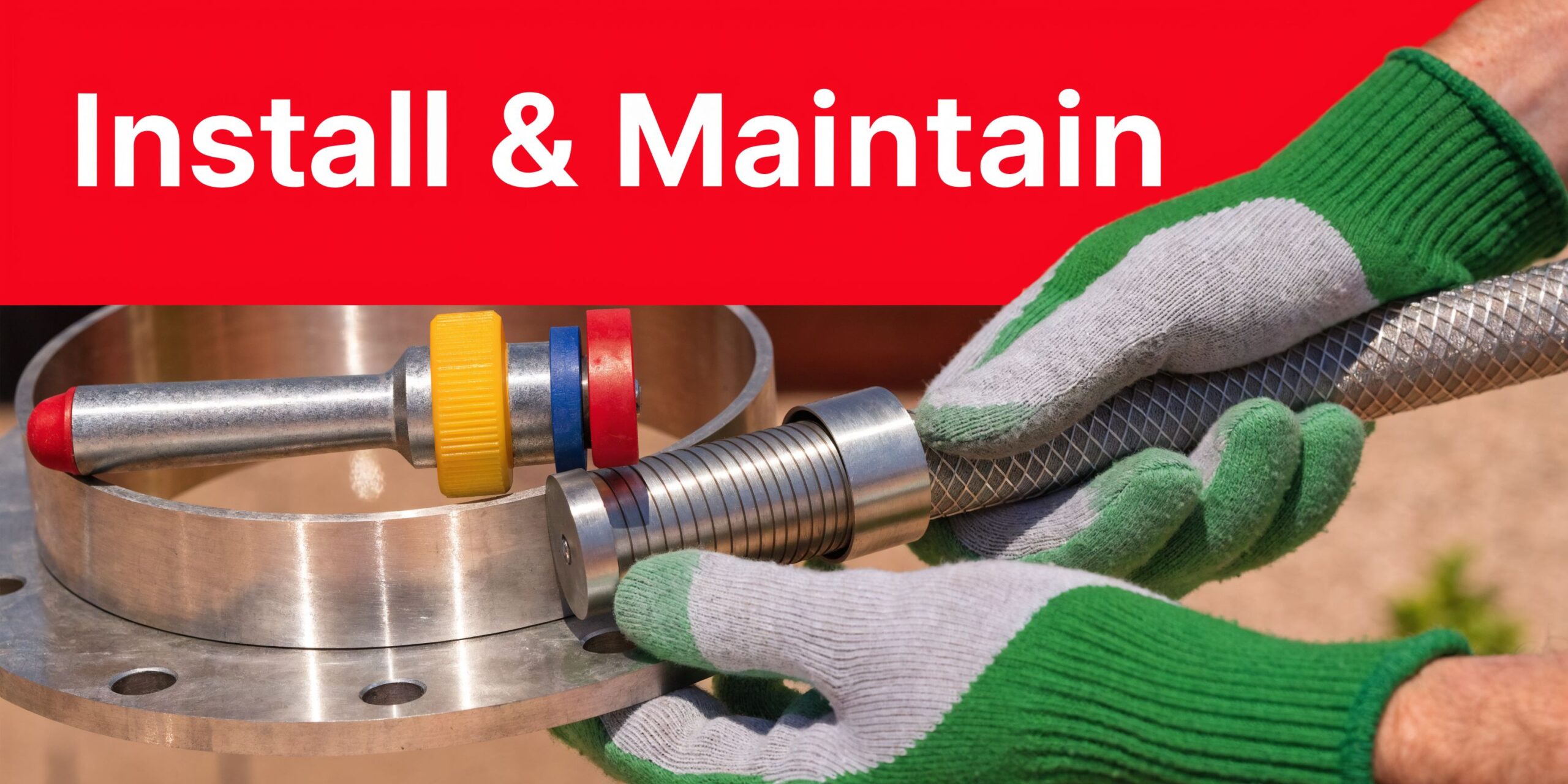
Three real-world examples
A suburban homeowner with timber windows usually wants the screen to disappear into the opening, not draw attention to itself. The job goes well when the frame is measured properly, the corners stay square, and the perimeter seals cleanly against the reveal. Fine mesh does not help if small gaps around the edge let insects straight through.
A restaurant owner has a different problem. Doors are opened all day, staff push through with trays and stock, and the screen still needs to stand up to routine cleaning. In that setting, serviceable hardware and a frame built for repeated use matter as much as the mesh itself. If the site falls under FSA scrutiny, cleanability and condition are not optional extras.
A facilities manager often deals with the hardest sites. Coastal air, stronger cleaning chemicals, awkward access for replacement, and pressure to keep doors in service all push the specification in one direction. On those jobs, the long-term result usually comes down to choosing the right grade for the region, then installing it so water, residue, and damage do not collect around the edges.
Installation points that matter
Get the opening right
Measure the actual opening, not the nominal frame size. UPVC, timber, and commercial aluminium door sets all behave differently, and older UK properties are rarely perfectly square. A stainless mesh panel fitted into a twisted frame will show it straight away.
Match the frame to the use
Light frames suit light use. Busy back doors, bin store access points, and trade entrances need stronger corners, firmer retention, and hardware that can cope with repeated opening and closing. If the frame is the weak point, the mesh grade will not save the installation.
Think about replaceable components
High-use doors need a sensible service plan. Keeping heavy-duty mesh door replacement strips available can reduce downtime where strips or edge-retained sections take the wear first.
Good maintenance starts before fitting. Screens that are awkward to clean, hard to service, or wrong for the site usually become expensive much earlier than expected.
Cleaning without creating new problems
Domestic screens usually need simple, regular care. Brush off loose dust, wash with mild detergent, rinse well, and avoid abrasive pads that can scratch the surface or distort finer weaves. Pay attention to the lower edges, where dirt and moisture tend to sit.
Commercial cleaning needs more discipline. Grease, airborne residue, and repeated washdown can all shorten service life if they are allowed to build up around fixings and frame joints. In food prep and service areas, keep to a cleaning routine that supports hygienic condition and leaves the screen easy to inspect. That matters for day-to-day standards and for FSA-facing environments where visible damage or trapped residue can become a compliance issue.
One common UK specification is a heavy-duty aluminium door fitted with stainless steel mesh. Premier Screens Ltd supplies this type of combination for repeated access points where insect control, durability, and straightforward servicing matter more than a light domestic finish.
Your Stainless Steel Mesh Checklist and FAQs
If you are close to ordering, narrow the decision with the actual conditions on site. Most buying mistakes happen because people choose by habit, price, or product label instead of matching the mesh to the opening.
Stainless steel mesh checklist
- Location check: Is the property inland, exposed, or affected by coastal salt air?
- Use pattern: Is this a lightly used window, a family back door, or a high-traffic commercial entrance?
- Cleaning reality: Will the mesh face regular household wiping or repeated commercial washdown?
- Hygiene requirement: Does the opening sit in a food prep or service environment where cleanability matters?
- Pest problem: Are you mainly blocking flies, or do you need finer control for midges?
- Airflow priority: Is maximum ventilation more important than very fine exclusion?
- Allergy concern: Are you trying to reduce allergen entry as well as insects?
- Frame type: Is the screen going into UPVC, timber, or a heavier commercial door arrangement?
- Replacement tolerance: Are you happy to replace lighter mesh sooner, or do you want a longer-term fit-and-forget solution?
- Grade decision: Does the site call for 304, or is 316 the more sensible specification for the exposure?
Quick selection summary
If the site is inland and standard-use, 304 is often the practical choice.
If the site is coastal, chemically harsher, or hygiene-critical, 316 deserves serious consideration.
If the opening needs better airflow, avoid going finer than necessary.
If the opening needs finer exclusion, accept the trade-off in openness and visibility.
FAQs
Is stainless steel mesh pet-proof
It is tougher than standard fibreglass and more resistant to damage in everyday use, but “pet-proof” depends on the animal, the frame, and the way the screen is mounted. For homes with persistent scratching or pushing at doors, the full screen system matters as much as the mesh itself.
How much more does 316 cost than 304
The exact difference varies by specification, supplier, and quantity. The right way to judge it is not by the raw upgrade cost alone, but by whether the site needs the extra chloride resistance. In a mild inland setting, 304 may be the better value. In a coastal or chemically demanding setting, using 304 to save money can create a more expensive problem later.
Can stainless steel mesh be used in homes as well as commercial sites
Yes. It is often associated with harder commercial use because that is where its advantages are obvious, but it also suits residential projects where owners want a more durable screen on patio doors, kitchen doors, or openings that get regular use.
Does finer mesh always mean better performance
No. Finer mesh gives tighter exclusion, but it can also reduce openness and make a screen feel less airy. Better performance means matching the mesh to the problem, not automatically choosing the finest option available.
What is the most important buying decision
For most buyers, it is choosing the correct grade for the environment. After that, choose the mesh size for the pest problem and airflow you want. Those two decisions do most of the work.
A good stainless steel mesh specification should feel boring once it is installed. It should open, close, ventilate, and stay clean without demanding attention. That is usually the sign the right material was chosen.
If you want help matching stainless steel mesh to a specific UK setting, whether that is a coastal café, a commercial kitchen, or a residential back door, speak to Premier Screens Ltd. Give the opening type, location, and the problem you need to solve, and you can get practical guidance on the most suitable screen and mesh specification.